The Carsus Trail

A long-distance route across the Karst of Slovenia and Italy

    The Carsus Trail: The Green Heart of the Karst

    Explore a six-day circular long-distance trail with views stretching from the Mediterranean to the Julian Alps and even the Dolomites. How do you travel from the Vipava Valley to the Adriatic coast and back? Along the Carsus Trail, through vineyards, past UNESCO-listed dry-stone walls and across the scenic peaks of the Karst.


    The Carsus Trail is a trail of the heart. It connects not only nature and cultural landmarks, but also the former burn scar of the largest wildfire in the history of independent Slovenia, where new life is now returning. Across six stages and 103 kilometres, the route leads through karst villages, along the Walk of Peace, past castles, rivers and coastal towns. The Green Heart of the Karst is a first-class hiking experience and a living symbol of solidarity and cooperation between experts and local communities.

    The story of the Carsus Trail

    The whole trail & stage by stage

    Between the nature and heritage of the Karst

    The Carsus Trail is a circular and easily accessible route. Its heart-shaped outline is no coincidence. Hundreds of donors made it possible for the Slovenian Forest Service to support the renewal of nature through reforestation after the 2022 fire. The trail leads through the remarkable landscape of Natura 2000 and a UNESCO Biosphere Reserve, past UNESCO-listed dry-stone walls, from the fertile Vipava Valley and the karst plateaus to coastal cliffs, the springs of the Timava River and Lake Doberdò.

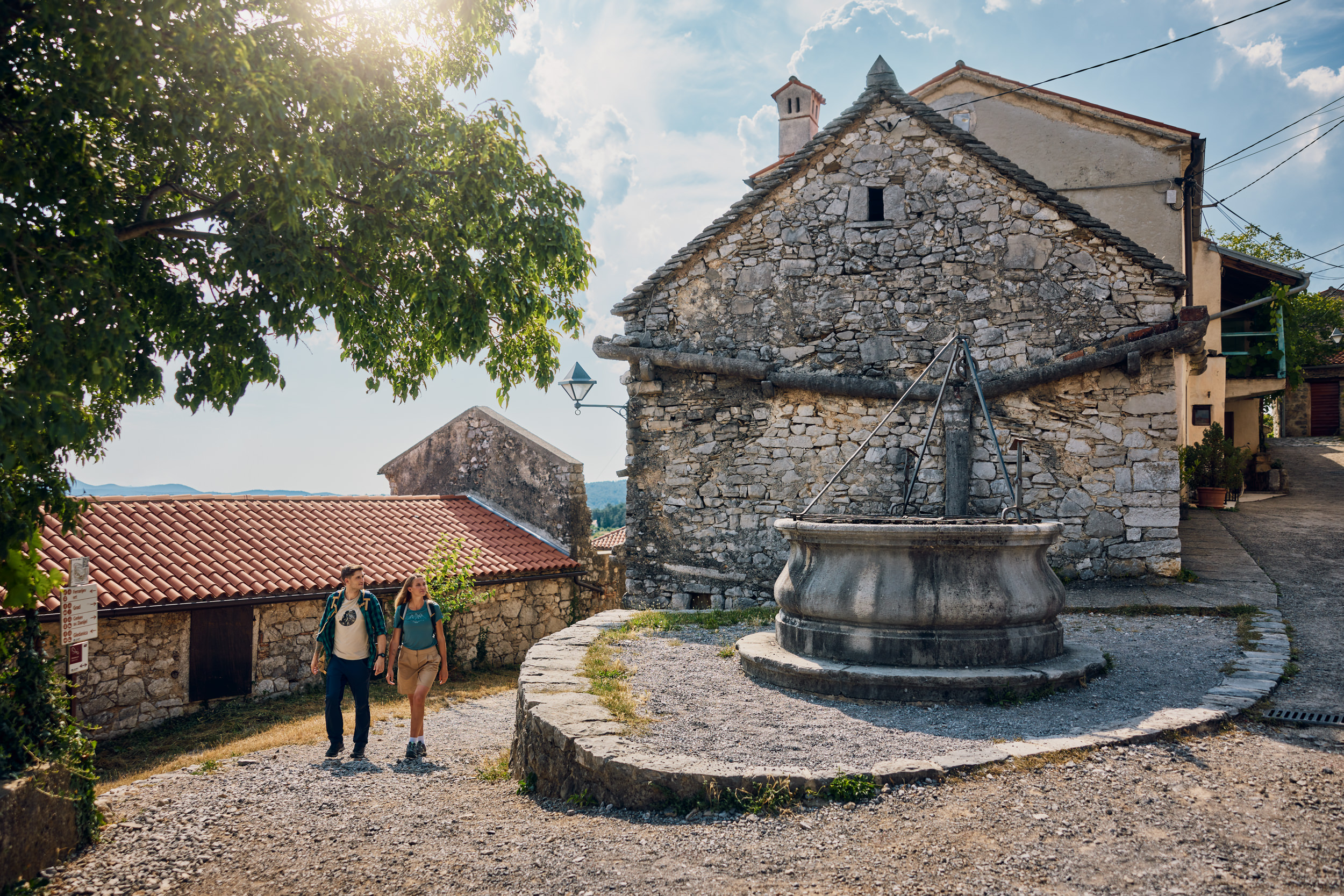
    The Karst House, one of the oldest preserved buildings in Štanjel.

    Photo: Nea Culpa, Jan Čermelj.

    A trail of culture and stone

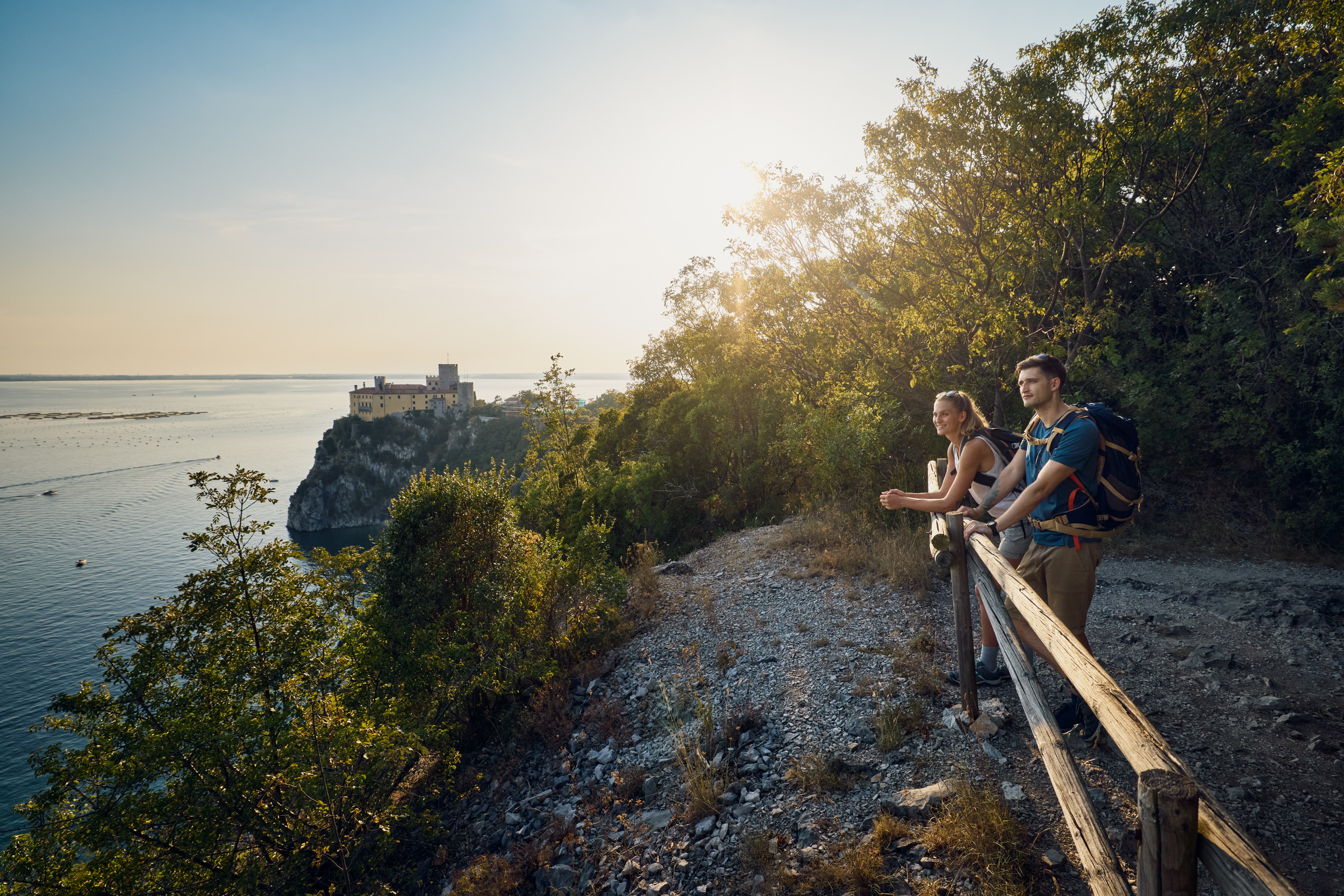
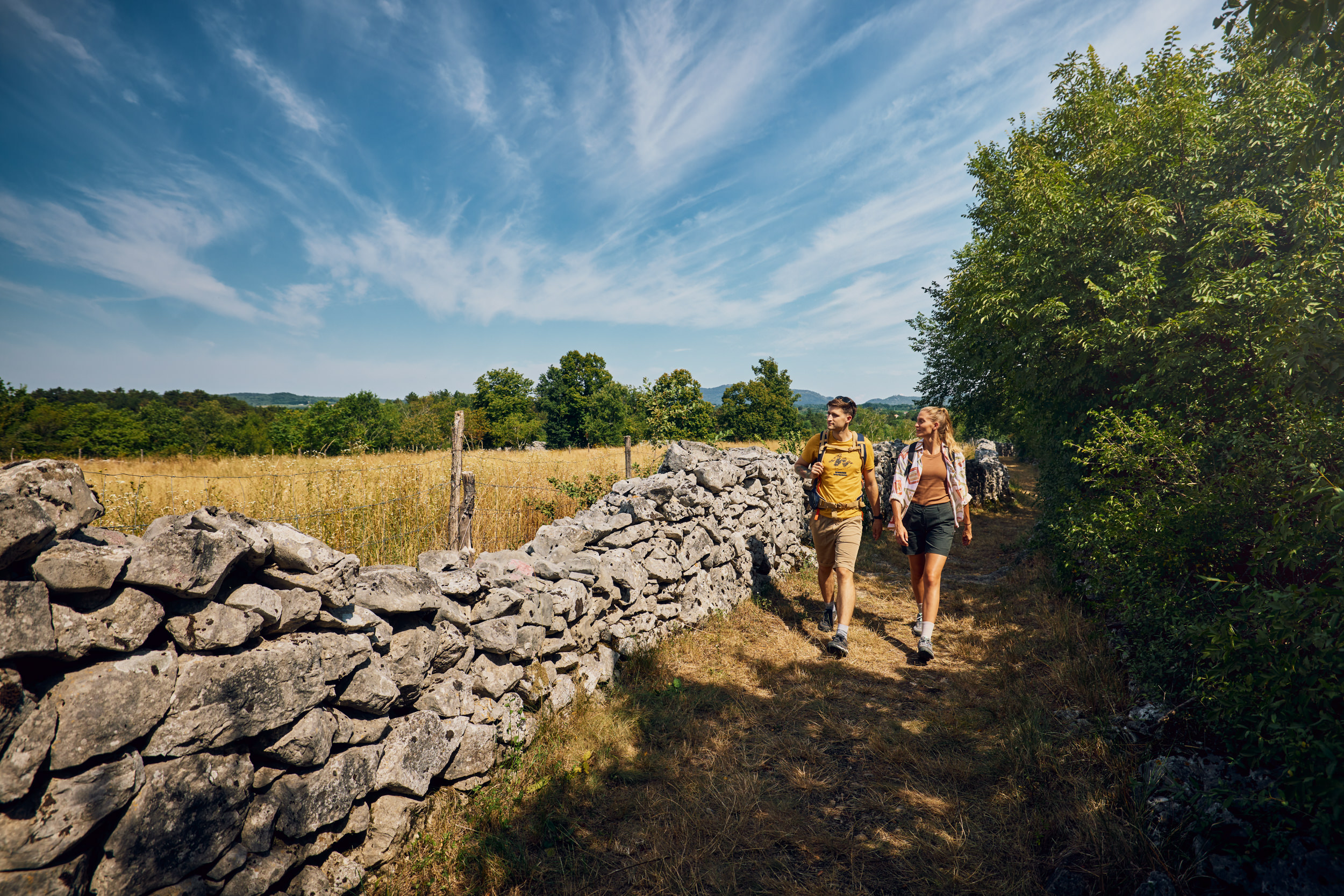
    The Carsus Trail is also a cultural and historical route. Visit the Monument of Peace on Cerje, Rihemberk Castle, the old centre of Štanjel, Duino Castle, prehistoric hillforts and the remains of the First World War. Along the way, you are constantly accompanied by the precious stone-built heritage of the Karst. You can start this circular long-distance trail in Miren or at any other stage point. It is not technically demanding, but because of the length of some stages, it is best suited to hikers with a good level of basic fitness and a love of multi-day adventures.

    Duino Castle on the Rilke Trail.

    Photo: Nea Culpa, Jan Čermelj.

    Set out on all six stages of the Carsus Trail

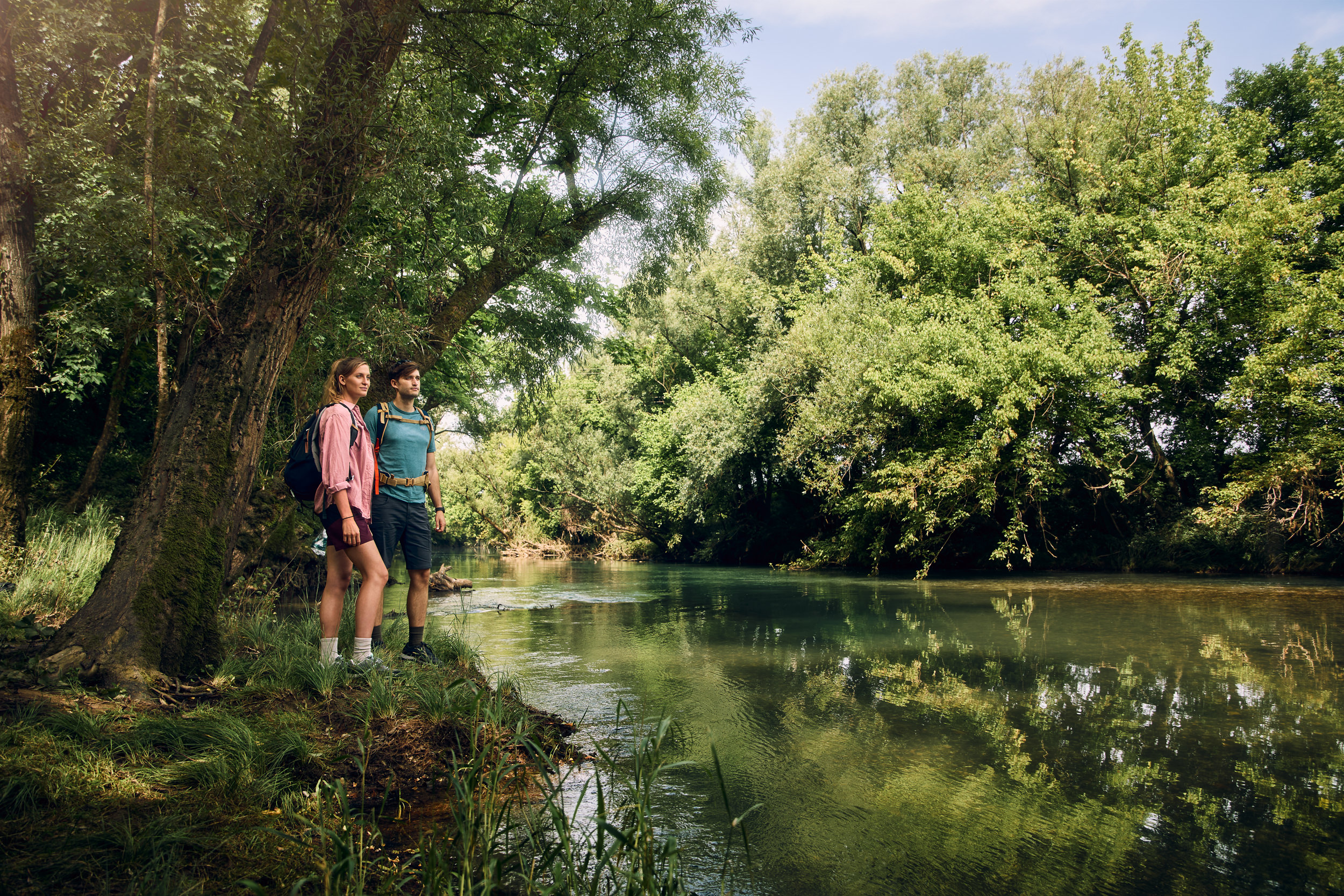
    The first stage is a short and friendly introduction to the Green Heart of the Karst. It leads from Miren along the Vipava River, across wide fields and through welcoming villages to Renče. It is easy, accessible and offers a calm beginning to a multi-day experience. The second stage is longer and more varied. From the fertile Vipava Valley, you climb to the karst ridges towards Cerje, where exceptional views open out all the way to the Julian Alps, the Dolomites and the Adriatic Sea. Along the way, you also encounter important points along the Walk of Peace and the heritage of the First World War.

    Along the Vipava River.

    Photo: Nea Culpa, Jan Čermelj

    From Rihemberk Castle to romantic Štanjel

    The third stage connects karst plateaus, panoramic peaks, Rihemberk Castle with the tallest castle tower in Slovenia, and medieval Štanjel. The route leads across Trstelj, the highest peak of the Slovenian Karst, then past the picturesque village of Pedrovo to mighty Rihemberk Castle, before bringing you to one of the best-preserved karst settlements, Štanjel.

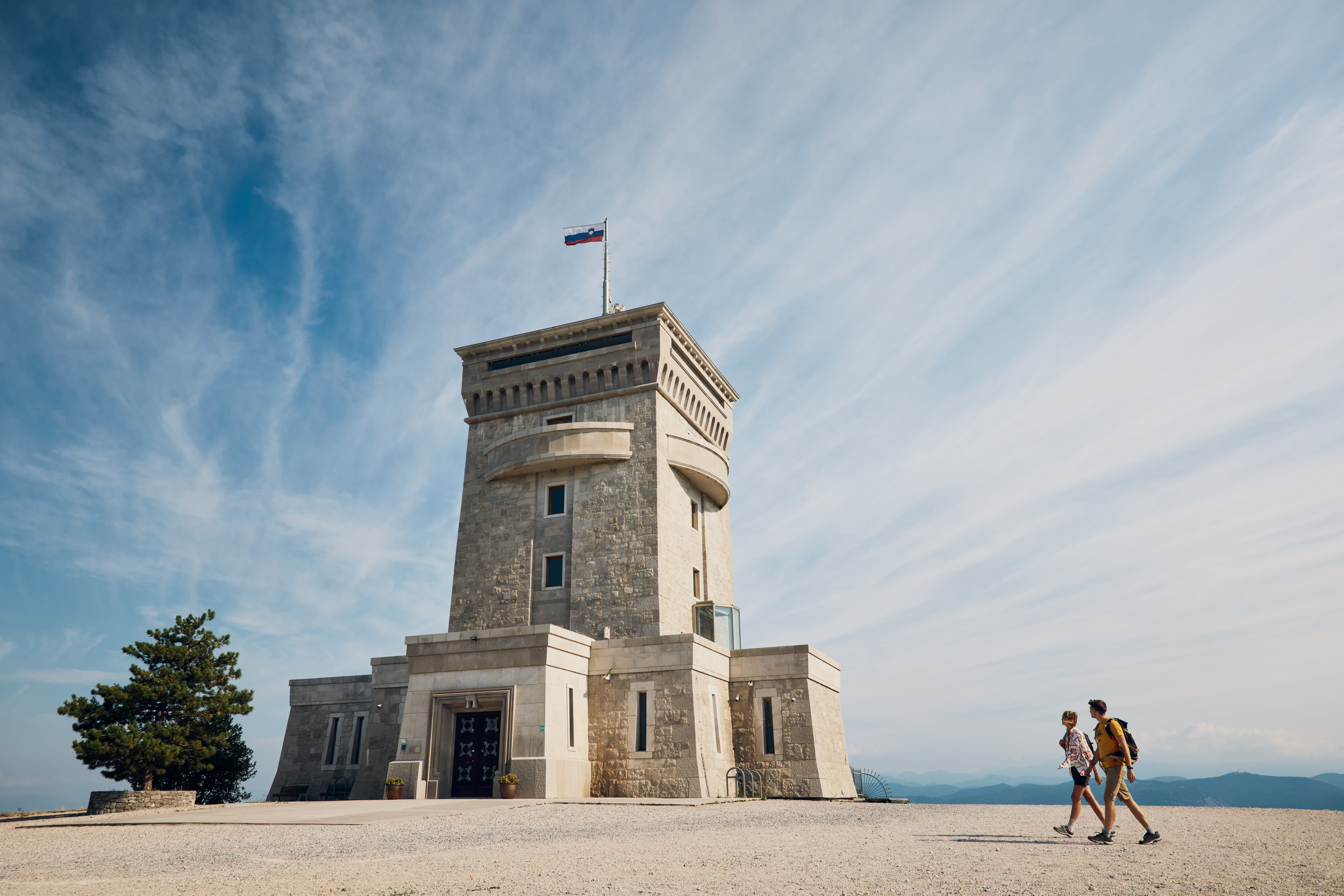
    The 25 m high Monument of Peace on Cerje.

    Photo: Nea Culpa, Jan Čermelj

    Across karst meadows to the sea and the Rilke Trail

    The fourth stage is devoted to the cultural landscape of the Karst. You walk all day through karst villages, meadows, vineyards, forests and stone details that give the region its distinctive character. The stage ends in Sesljan / Sistiana, where the karst world opens towards the sea. The fifth stage is distinctly coastal and panoramic. It begins on the famous Rilke Trail above dramatic sea cliffs, continues past Duino Castle and the mysterious springs of the Timava River, and then returns from the coast into the interior of the Karst. It is one of the most scenic stages of the whole route.

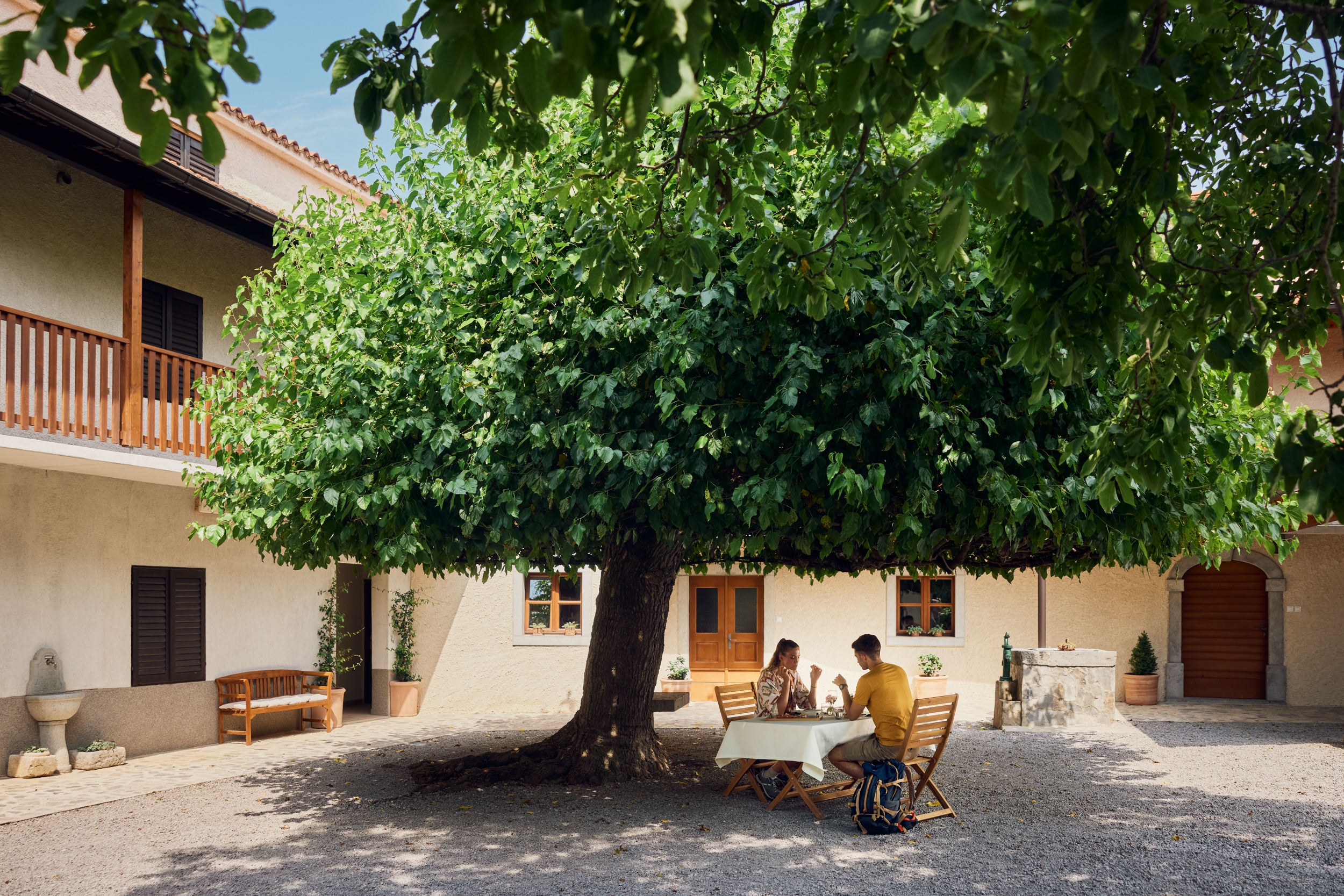
    Tasting the famous Karst prosciutto (pršut).

    Photo: Nea Culpa, Jan Čermelj.

    Nature reserve and First World War heritage

    The sixth stage leads past Lake Doberdò, the remains of the First World War, and across a former border area that is today a space of cooperation. The trail ends in Miren, where the story of this circular route comes full circle. The final stage beautifully brings together natural heritage, historical memory and the new life of the landscape.

    The summit of Kremenjak with a view of the Gulf of Trieste.

    Photo: Nea Culpa, Jan Čermelj.

    The Carsus Trail is at its best in spring, autumn and winter

    The Carsus Trail is technically easy and does not present any special dangers, but it does require good physical fitness, as the longer stages are over 20 km and also include a fair amount of ascent and descent. The most complete way to experience it is in one connected journey across all six stages, but because of constraints due to weather, time or fitness, it can just as easily be walked in sections, as one-day, two-day or three-day trips. The trail is accessible throughout the year and is especially enjoyable in spring and autumn. It is also an attractive alternative in winter, when Alpine valleys are often covered in snow or harder to access.