Climbing

in Vipava Valley

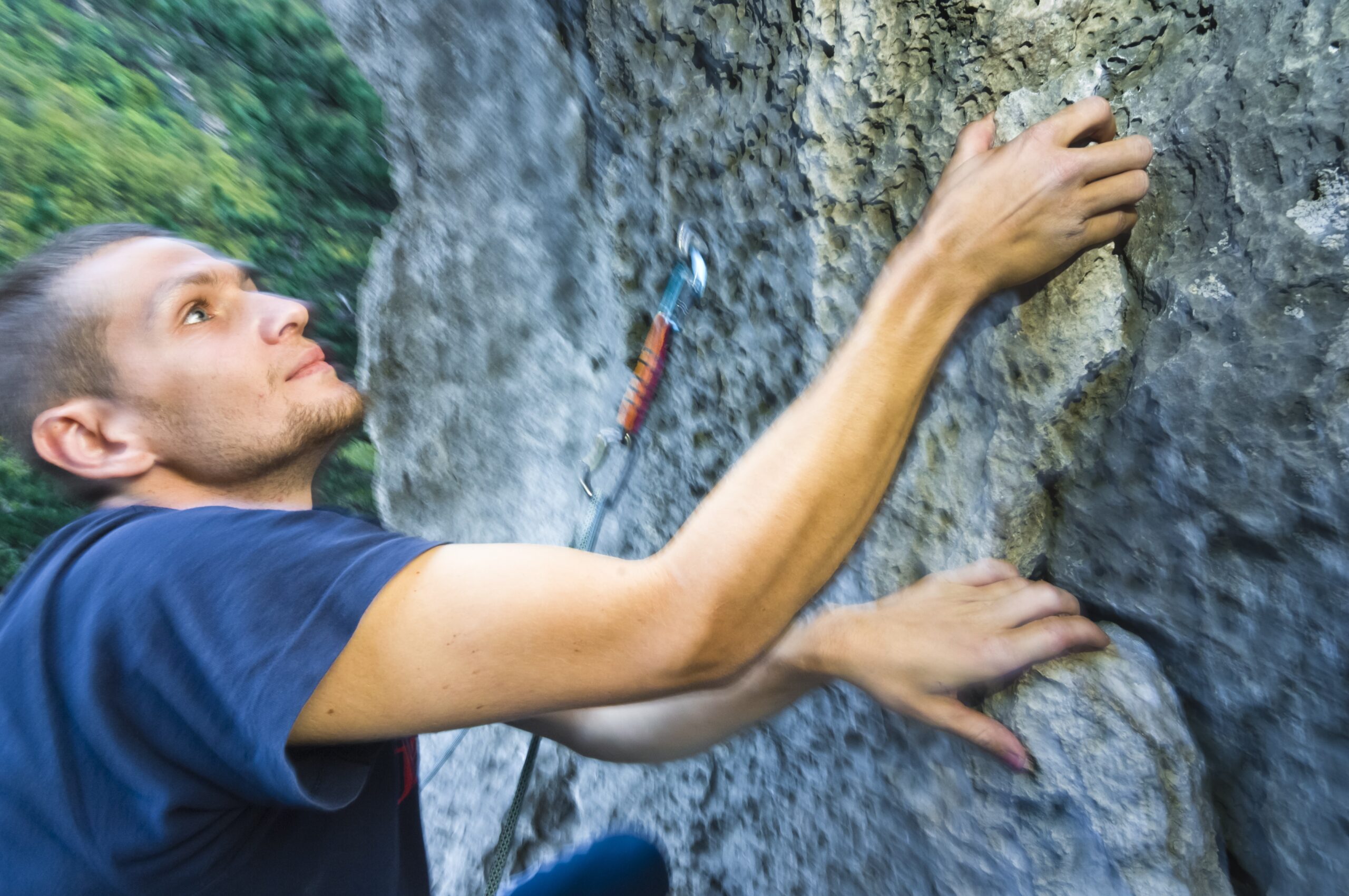
    Thanks to its mild climate, varied karst landscape, and numerous natural rock faces, the Vipava Valley is one of Slovenia’s most interesting climbing destinations. Within a relatively small area, you can choose from sport climbing, multi-pitch routes, bouldering, and via ferratas.


    Sunny rock faces are an excellent choice, particularly in autumn, winter, and spring, while gorges and higher-altitude crags offer shade and more pleasant temperatures during the warmer months.

    Sport Climbing

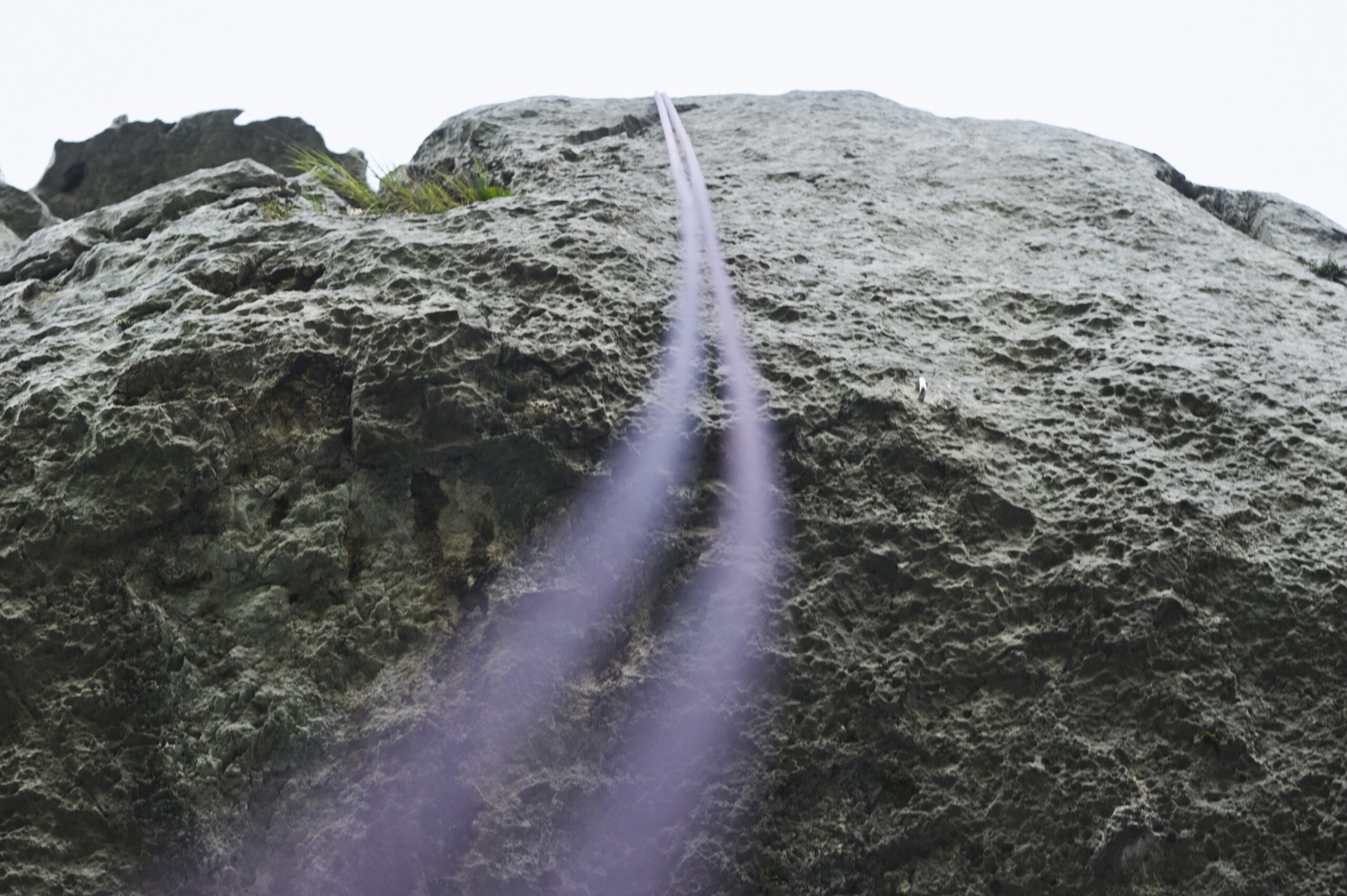
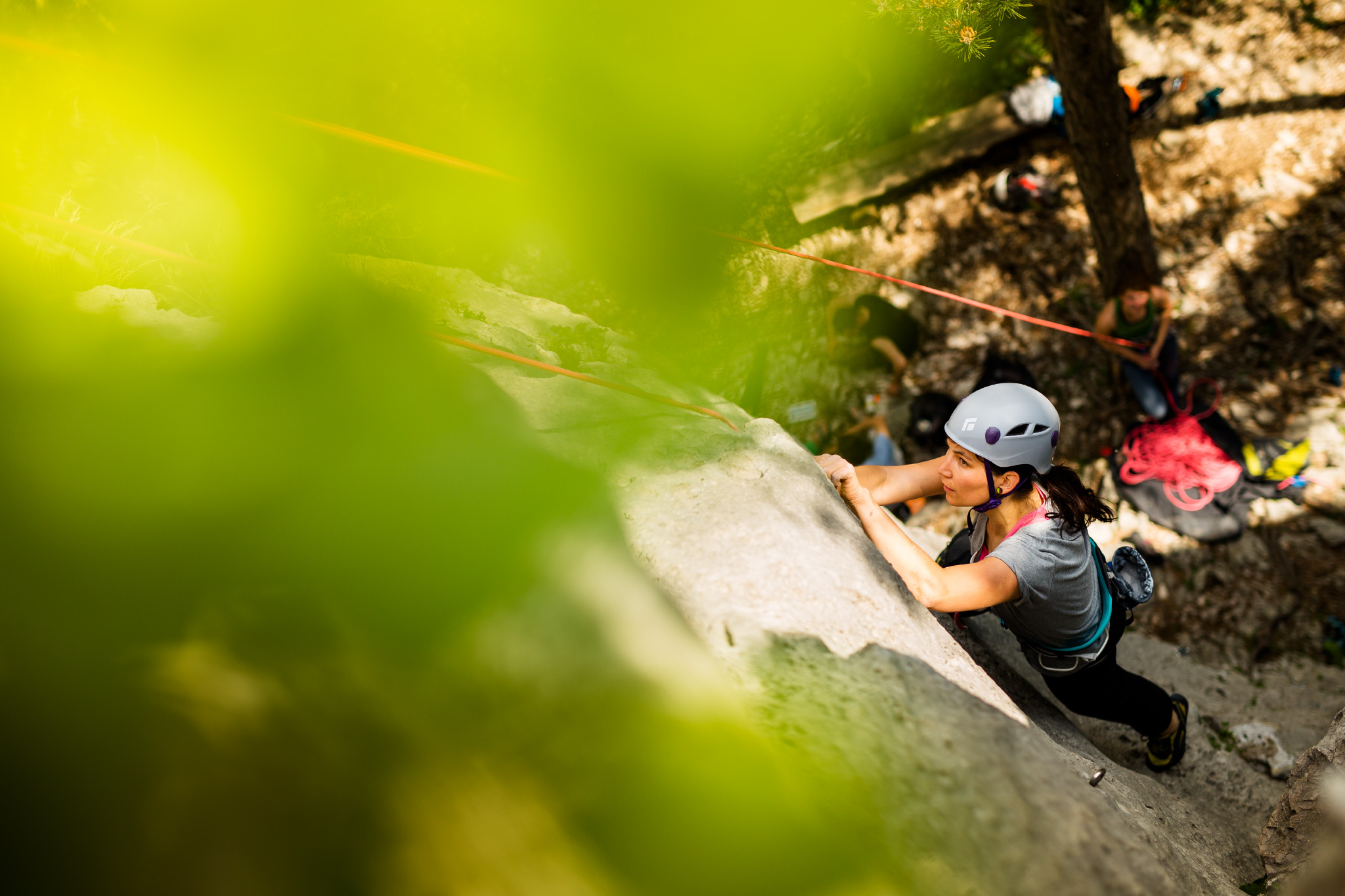
    The Vipava Valley offers hundreds of equipped sport climbing routes of varying difficulty—from simple routes for taking one’s first climbing steps to challenging projects for experienced climbers.

    Vipava and Gradiška Tura

    The area above Vipava is the largest and most diverse climbing hub in the valley. Numerous sectors offer routes of varying difficulty and character, making the area suitable for both beginners and experienced climbers.


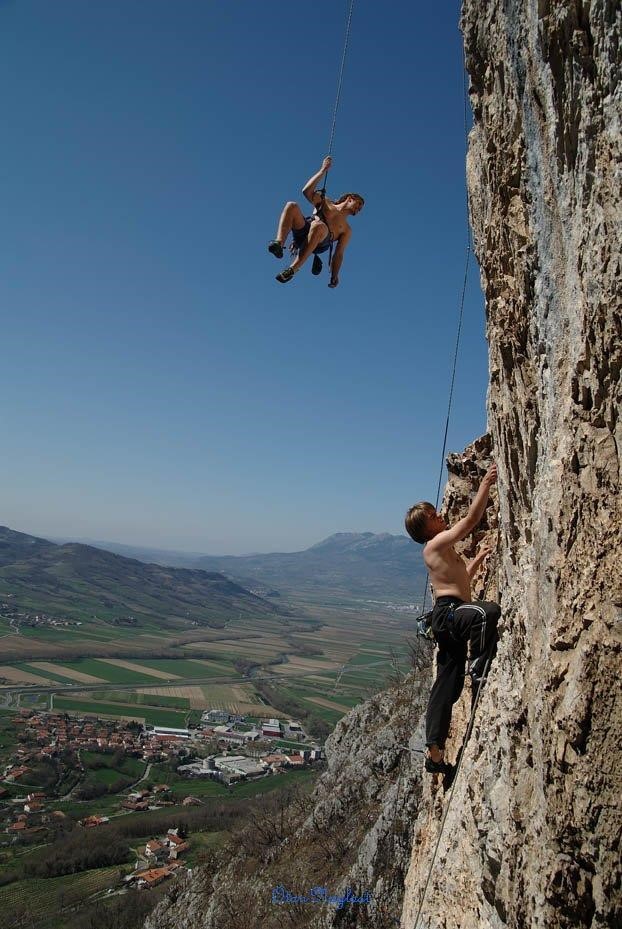
    Climbing on solid limestone is accompanied by sweeping views of the Vipava Valley, the town of Vipava, and the wine-growing landscape beneath the edge of the Nanos Plateau. Thanks to its location and wide selection of routes, the area is also ideal for a multi-day climbing getaway.


    Gradiška Tura appeals to more than just sport climbers. The cliff faces above the valley also feature longer climbing and mountaineering routes, offering a more adventurous experience and magnificent views of the Vipava Valley.


    Such climbs require appropriate experience, equipment, and knowledge of conditions. We recommend that less experienced climbers be accompanied by a qualified guide.

    Via Ferratas

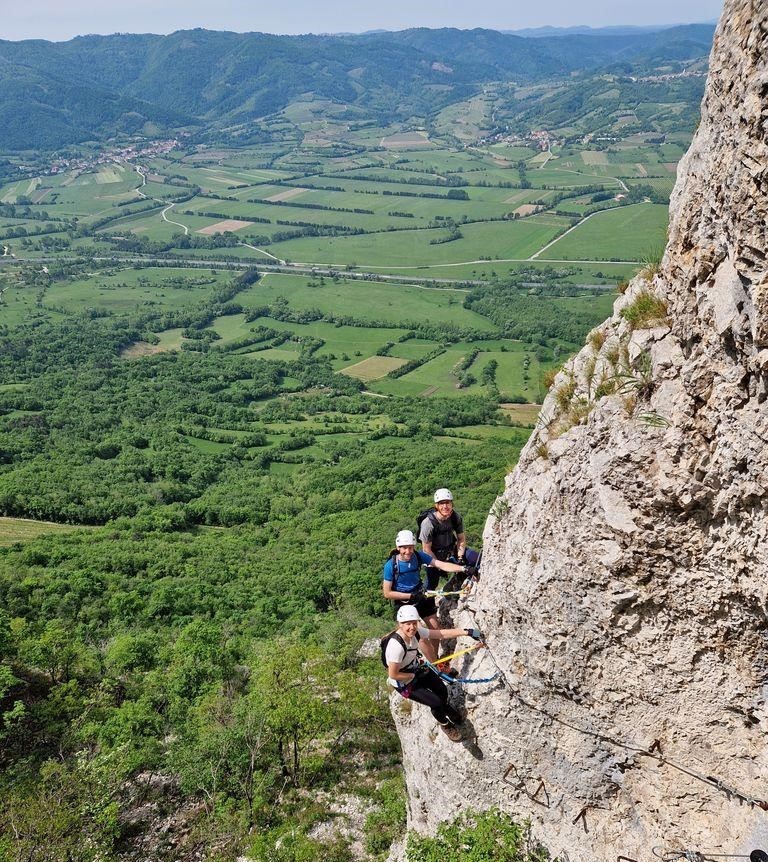
    The Furlan and Otmar via ferratas lead up Gradiška Tura; both are classified as very difficult mountain routes.


    For both routes, you need experience with very difficult trails, a helmet, a climbing harness, a via ferrata set, and suitable footwear.

    Vipavska Bela

    The Bela Gorge near Vrhpolje offers a completely different climbing experience. The rock faces rise above the stream and the green forest, making it a pleasant spot even during the warmer months.


    Routes ranging from easy and moderately difficult to very hard are available, making Vipavska Bela popular among both recreational and elite climbers.

    When to climb?

    One of the greatest advantages of the Vipava Valley is its long climbing season.


    Autumn, winter, and spring are ideal for the sunny crags above Vipava and other south-facing climbing areas.

    In summer, shaded crags, the Vipavska Bela Gorge, and higher-altitude areas are better choices.


    The *burja* (bora wind) is a defining feature of the Vipava Valley, so always check the weather forecast and conditions at your chosen crag before heading out.


    Climb responsibly

    Climbing areas are located in sensitive natural environments, often near villages, private land, and farmland.

    Please use designated parking areas and access paths, do not leave litter, do not light fires, and respect any seasonal restrictions. When bouldering, use appropriate crash pads, climb in small groups, and ensure no traces of chalk or damaged vegetation are left behind. Do not wild camp.

    Small gestures help keep climbing areas open for future generations.


    Rock, sun, and views. In the Vipava Valley, the climbing season begins just as it is often ending elsewhere.

    Before your visit, check the latest updates regarding access and the condition of safety installations (as listed in climbing guidebooks), as well as the status of hiking trails via the Alpine Association of Slovenia (PZS). Pay particular attention to the connecting section between the start of the Furlanova and Otmarjeva routes; the PZS issued a closure for this section in 2024 due to a rockfall.